January 12, 2026
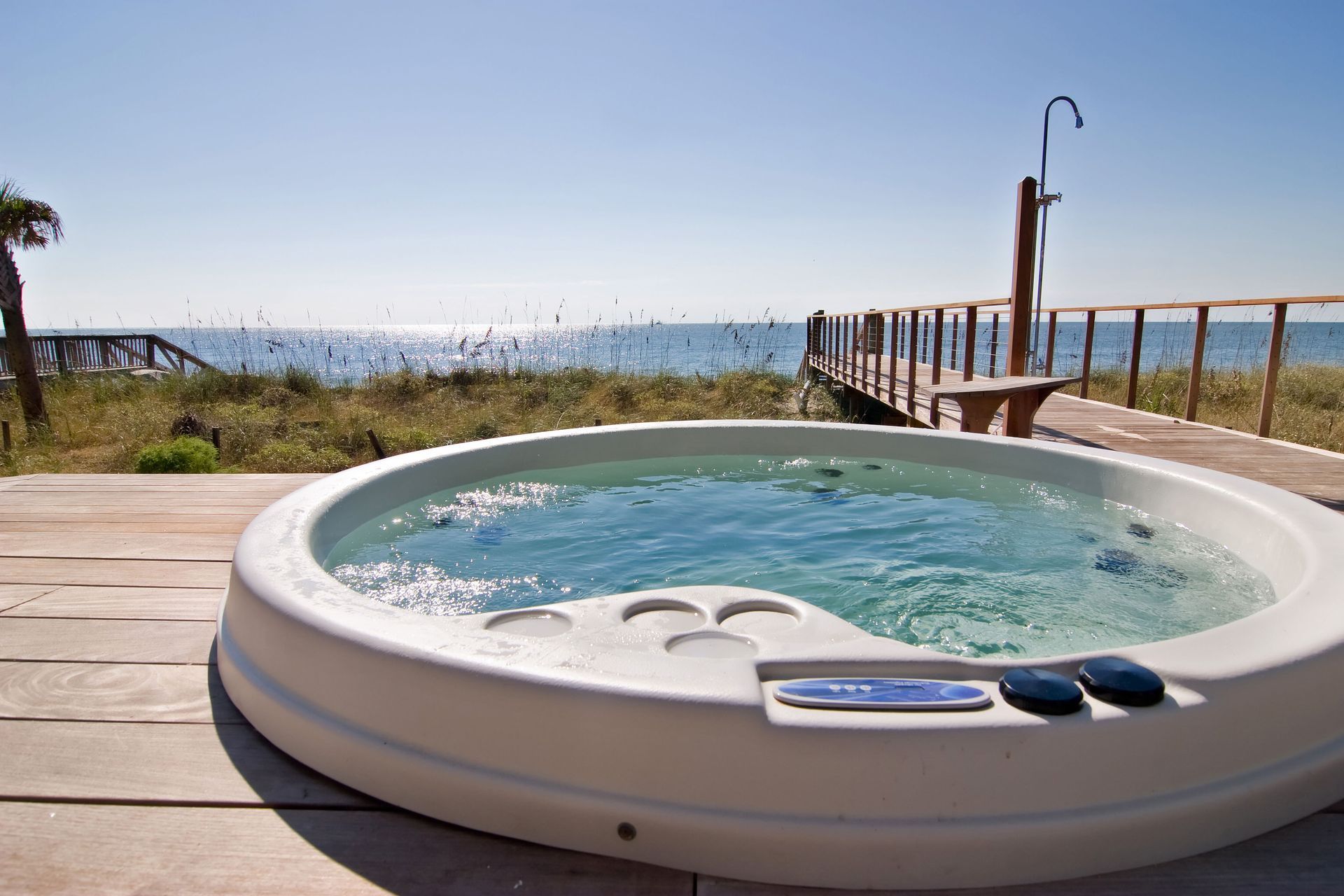
Hot tubs have long been celebrated not just for luxury, but for their therapeutic benefits. They provide a private sanctuary where relaxation is immediate, muscles can unwind, and stress naturally diminishes. For many people, hot tubs are more than a recreational tool—they are a cornerstone of personal wellness routines. The warm water, gentle jets, and serene ambiance all contribute to an environment conducive to mental calm and physical comfort. According to HomeAdvisor, maintaining the hot tub temperature at around 100 degrees is recommended when it’s not in use, which ensures the water is always ready for a therapeutic soak while preserving energy and prolonging equipment life.
The convenience of having a hot tub at home cannot be understated. Unlike spa visits that require travel and scheduling, home hot tubs are accessible anytime, allowing for flexible routines and spontaneous relaxation sessions. They also provide a space for social connection, meditation, or solitary reflection, amplifying the mental health benefits. In short, hot tubs blend science and comfort to create a therapeutic experience that is both effective and enjoyable, making them an ideal tool for stress and muscle tension relief.
Understanding Muscle Tension and Stress
Muscle tension is more than occasional stiffness—it represents a prolonged state where muscles remain semi-contracted due to physical or emotional strain. Daily activities, repetitive movements, and poor posture can lead to areas of persistent tension, commonly in the neck, shoulders, and back. Stress is a major contributor, as the body’s natural fight-or-flight response causes muscles to tighten reflexively. Over time, this continuous tension can result in soreness, reduced flexibility, and even chronic pain. Understanding these causes helps people take active steps to relieve tension before it escalates into more serious conditions.
Identifying the symptoms of muscle tension and stress is essential for timely intervention. These can include discomfort in commonly stressed areas, tightness, fatigue, irritability, or difficulty concentrating. Using hot tubs regularly can serve as both a preventive measure and a relief strategy. By addressing muscle tension early with heat therapy, users can avoid the long-term consequences of chronic stress. With the added benefit of hydrotherapy, hot tubs not only relax the muscles but also improve overall circulation and mobility. They provide a convenient and enjoyable solution for individuals looking to reduce stress, improve flexibility, and enhance their overall quality of life.
The Science of Heat Therapy
Heat therapy works by increasing the temperature of muscles, making fibers more elastic and less prone to stiffness or injury. Warmth stimulates blood vessels, improves circulation, and encourages the removal of metabolic waste, which can accumulate after prolonged activity. Hot tubs are particularly effective for heat therapy because they deliver consistent warmth to large areas of the body, supporting both relaxation and recovery simultaneously. The combination of water immersion and heat allows for longer sessions without discomfort, providing sustained therapeutic effects.
Beyond physical benefits, heat therapy in hot tubs also offers mental relaxation. Warm water soothes the nervous system, reducing stress and calming the mind. Users often report a sense of mental clarity after a soak, which contributes to better mood and reduced anxiety. Routine heat therapy can also reduce dependence on over-the-counter pain relievers, providing a natural solution for muscle soreness, stiffness, and chronic tension. According to HomeAdvisor, maintaining hot tubs at around 100 degrees when not in use ensures water is ready for a therapeutic session while optimizing energy efficiency and prolonging equipment life.
Compared to other treatments, heat therapy is non-invasive, versatile, and effective for a variety of conditions. It complements practices like massage, stretching, or physical therapy, often preparing muscles for deeper treatments or enhancing post-exercise recovery. Regular use of hot tubs for heat therapy can support long-term wellness, improving mobility, decreasing chronic pain, and helping the body cope with the demands of modern life. By combining comfort with science, hot tubs provide a practical and enjoyable way to relieve muscle tension and support mental relaxation, making them an essential part of at-home wellness strategies.
Hydrotherapy and Its Benefits
Hydrotherapy takes advantage of water’s properties to promote healing and wellness. The buoyancy provided by hot tubs reduces body weight on joints, which allows muscles to relax more completely and enables gentle movement without strain. This effect is particularly beneficial for individuals with arthritis, chronic pain, or mobility challenges. Warm water also creates a soothing environment that encourages deep relaxation while gently massaging the body through jets and circulation patterns.
Immersion in hot tubs can influence stress hormones, particularly cortisol, by stimulating the parasympathetic nervous system. This promotes a state of calm and lowers physiological stress responses. The combination of hydrotherapy and heat allows individuals to address both mental and physical stress simultaneously. Athletes and individuals with chronic muscle tension benefit from this dual action, as hydrotherapy facilitates recovery, reduces soreness, and supports overall well-being.
Regular hydrotherapy sessions also encourage movement that might otherwise be difficult due to stiffness or pain. Stretching, gentle exercises, or mobility routines performed in hot tubs are more effective because muscles are warmed and joints are supported. The soothing environment of hot tubs fosters mindfulness and intentional relaxation, which further enhances stress relief. By integrating hydrotherapy into daily routines, hot tubs provide a comprehensive tool for muscle recovery, stress reduction, and overall wellness, making them a valuable addition to home health practices.
Creating a Therapeutic Hot Tub Environment
The benefits of hot tubs extend beyond water temperature. Selecting the right model, size, and features can maximize therapeutic outcomes. Adjustable jets, ergonomic seating, and customizable water pressure allow users to target specific areas of tension effectively. Features like aromatherapy, chromotherapy, or built-in sound systems enhance the sensory experience, creating an immersive environment conducive to relaxation. Soft lighting, privacy screens, and outdoor landscaping also contribute to a serene atmosphere.
Maintaining the hot tub properly ensures consistent benefits. Water temperature should be monitored regularly, and settings adjusted to maintain comfort and therapeutic effectiveness. As recommended by HomeAdvisor, keeping the water at around 100 degrees when idle provides readiness for use while conserving energy. Personalized settings and enhancements allow users to enjoy targeted relief and improved overall wellness.
Creating a calming environment amplifies the mental health benefits of hot tub therapy. The combination of heat, buoyancy, and sensory enhancements can reduce anxiety, promote mindfulness, and encourage longer, more frequent sessions. By investing in both the hardware and the environment surrounding the hot tub, users can transform a simple soak into a holistic wellness experience that supports muscle relaxation, stress reduction, and mental clarity.
Integrating Hot Tub Use Into Your Lifestyle
Consistency is key to reaping the full benefits of hot tubs. Incorporating regular soaks into daily routines promotes long-term muscle relaxation, reduces stress, and encourages mental clarity. For example, hot tubs can be used after exercise to enhance recovery, in the evening to improve sleep, or during stressful periods to foster calm and focus.
Establishing a routine with hot tubs can also inspire broader lifestyle improvements. Regular use encourages mindfulness, self-care, and proactive health management. Individuals who commit to this approach often report fewer stress-related symptoms, enhanced recovery from physical activity, and greater satisfaction with their wellness routines. Hot tubs offer a practical, enjoyable, and effective method for integrating holistic health practices into daily life.
Hot tubs are a powerful tool for reducing muscle tension, relieving stress, and supporting overall wellness. By combining heat, hydrotherapy, and sensory enhancements, they provide both physical relief and mental clarity. Consistent use fosters improved sleep, better recovery from activity, and a heightened sense of calm. With their accessibility and adaptability, hot tubs remain an invaluable addition to home health routines. For installation, maintenance, and guidance on maximizing your hot tub benefits, contact Pristine Pool & Spa LLC.